


Challenge: Tikvah faced an upcoming lease expiration in a building slated for demolition and redevelopment within months. As a budget-conscious not-for-profit, Tikvah needed to manage occupancy costs carefully while still recognizing the value of a prime Manhattan location. To balance cost, accessibility, and the desire for an attractive office environment, the search focused on more affordable submarkets, including Penn Station and Park Avenue South.
Solution:Summit RE Partners was tasked with helping Tikvah, then located at 56th Streetand Third Avenue, evaluate its needs for its next office. With cost savings asa key priority, Draznin initially focused the search on more affordable MidtownSouth options, including the Garment District and Park Avenue South corridor.
During the process, Draznin identified ameaningful opportunity to reduce costs by leveraging an existing installationvery close to their original office. Rather than pursuing a full, ground-upinstallation. The winning space at 150 E 52nd Street seemed dated andunderwhelming at first, but Draznin recognized the underlying value in itslayout, infrastructure, location, and economics.
By securing a Midtown space that requiredonly cosmetic improvements and modest layout changes, Tikvah was able to avoidthe substantial cost of a brand-new build-out while still creating a cleaner,more modern workplace. The resulting savings exceeded $1,000,000, costs thatwould otherwise have been amortized into the rent over the lease term.


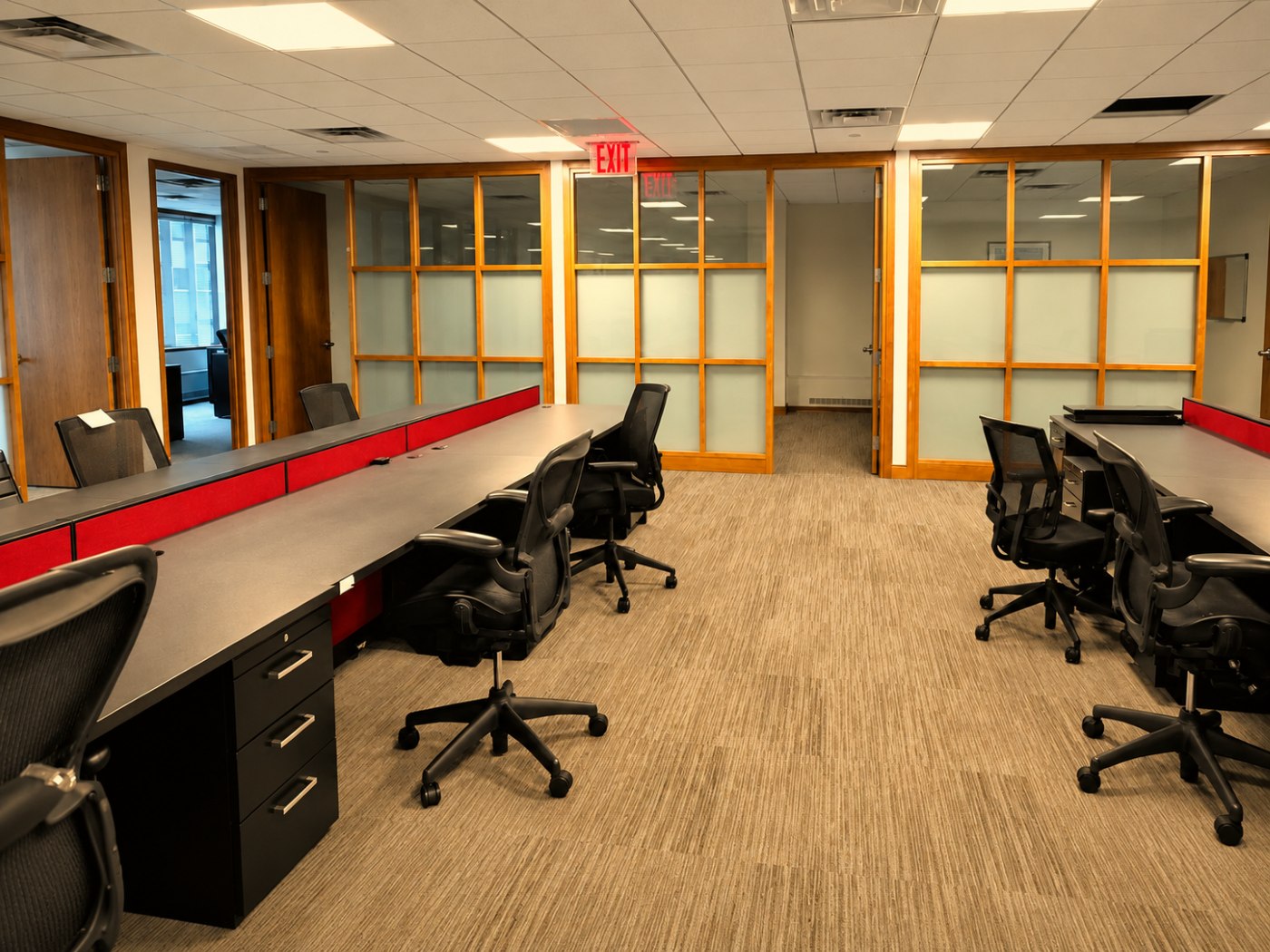
Wood-framed glass, red-accent workstations, older furniture, and weaker lighting.
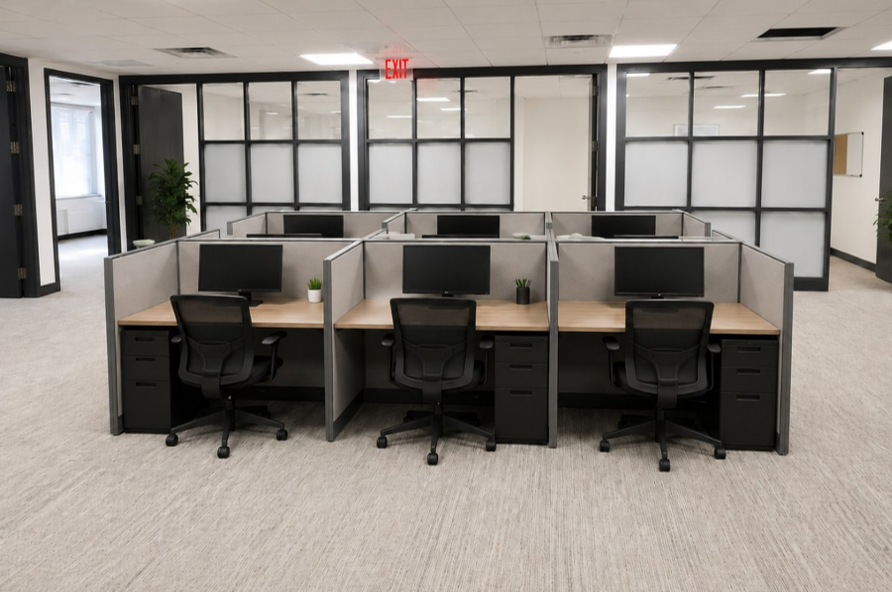
Dark frames, brighter lighting, neutral palette, 6-seat workstation pod, and cleaner presentation.
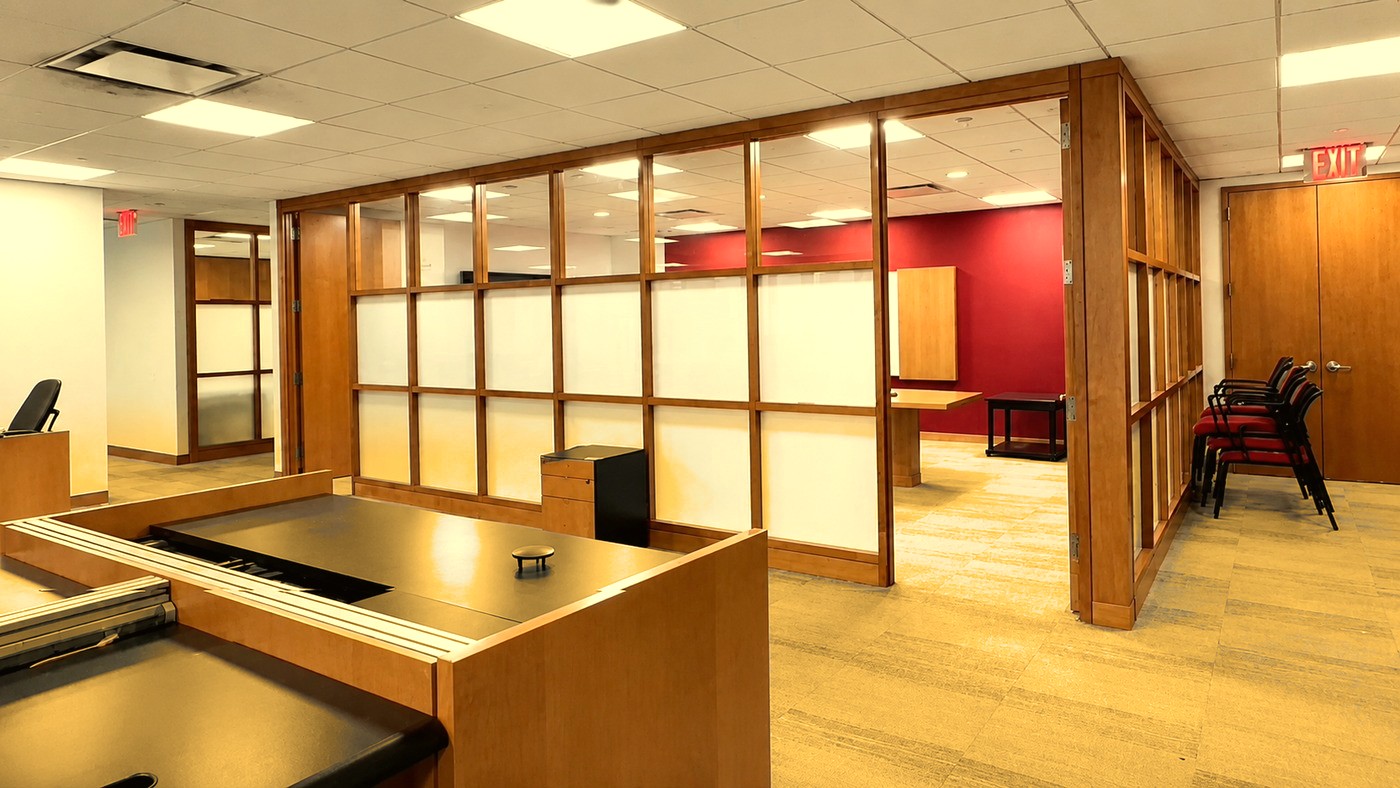
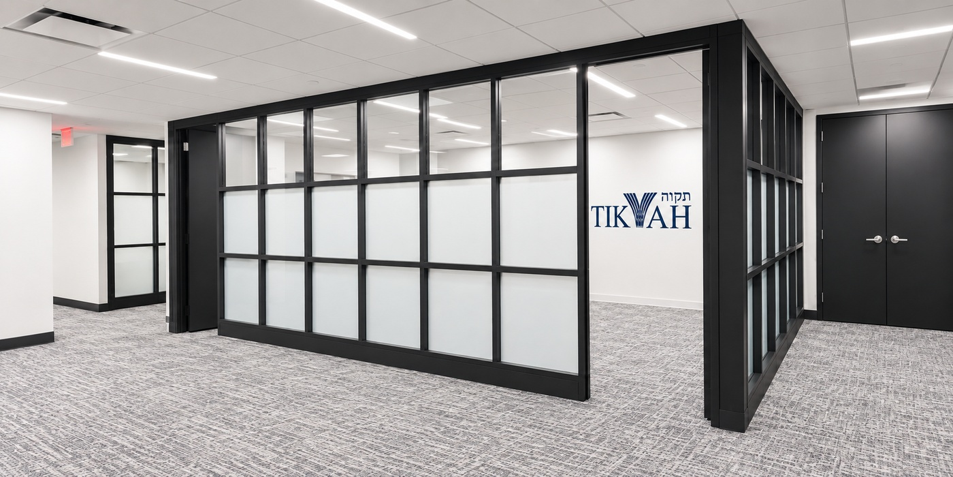
By refreshing the frames and doors, improving lighting, clearing out outdated furniture, and introducing a clean branded wall, the space felt intentional without requiring a full rebuild.